Key Takeaways
- On stage, they are not mere adornments but essential tools that amplify your message and define your presence.
- Context is Key TL;DR: This section explains the core concepts behind context is key and their practical applications.
- It should align seamlessly with your narrative, emphasizing key points, illustrating concepts, or underscoring emotions.
Mastering the Stage: The Art of Intentional Hand Gestures
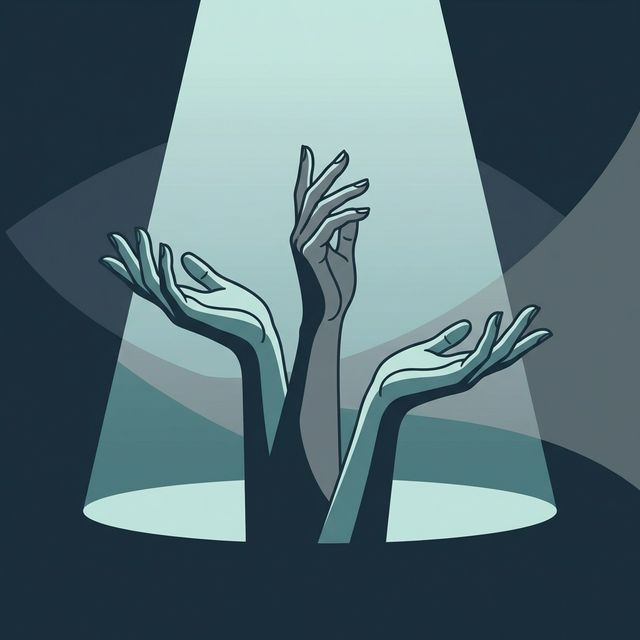
Hand gestures are a potent, non-verbal language. On stage, they are not mere adornments but essential tools that amplify your message and define your presence. Used effectively, they transform a monologue into a dynamic conversation, creating a deeper impact.
Context is Key
Every gesture must serve a purpose. It should align seamlessly with your narrative, emphasizing key points, illustrating concepts, or underscoring emotions. Random or disconnected movements distract; contextual gestures clarify and engage, making your message more accessible and memorable.
Beyond Words: Connecting and Projecting
Intentional hand movements do more than just illustrate. They build rapport, inviting your audience into your story and fostering a sense of connection. They project confidence and authority, signaling that you are in command of both your message and your delivery. This physical expression adds layers of meaning that words alone cannot convey, enhancing your overall impact.
The Pitfall of Limitation
A common observation is speakers restricting their hand movements. Limited gestures can inadvertently signal nervousness or a lack of conviction, creating a barrier between you and your audience. This restricted physical expression often suggests discomfort rather than command, hindering effective communication.
Visualizing Your Space: The 3x3 Gesture Matrix
Imagine a three-by-three grid extending from your chest outwards, encompassing your personal space on stage. This matrix represents the full spectrum of your gestural potential. Many speakers, often unconsciously, confine their hands to the central quadrant of this matrix. This restricted zone severely limits expressiveness and visual engagement.
Unlock Your Full Expressive Range
To truly leverage your physical presence, consciously utilize the entire 3x3 matrix. Think of the quadrants as tools for different types of communication:
- Upper Quadrants: Use for expansive ideas, vision, future-oriented concepts, or grand scale.
- Middle Quadrants: Ideal for current points, direct address, present facts, or immediate actions.
- Lower Quadrants: Effective for foundations, past events, grounding concepts, or things that are concrete and established.
- Side Quadrants: Can indicate comparisons, alternatives, inclusivity, or drawing an audience in.
By exploring this entire volumetric space, you add depth, nuance, and visual interest to your delivery. Practice moving your hands purposefully across these zones, aligning their position with the nature of your content to create a more dynamic and engaging presentation.
Explore the Knowledge Graph3>
Dive deeper into related disciplines: