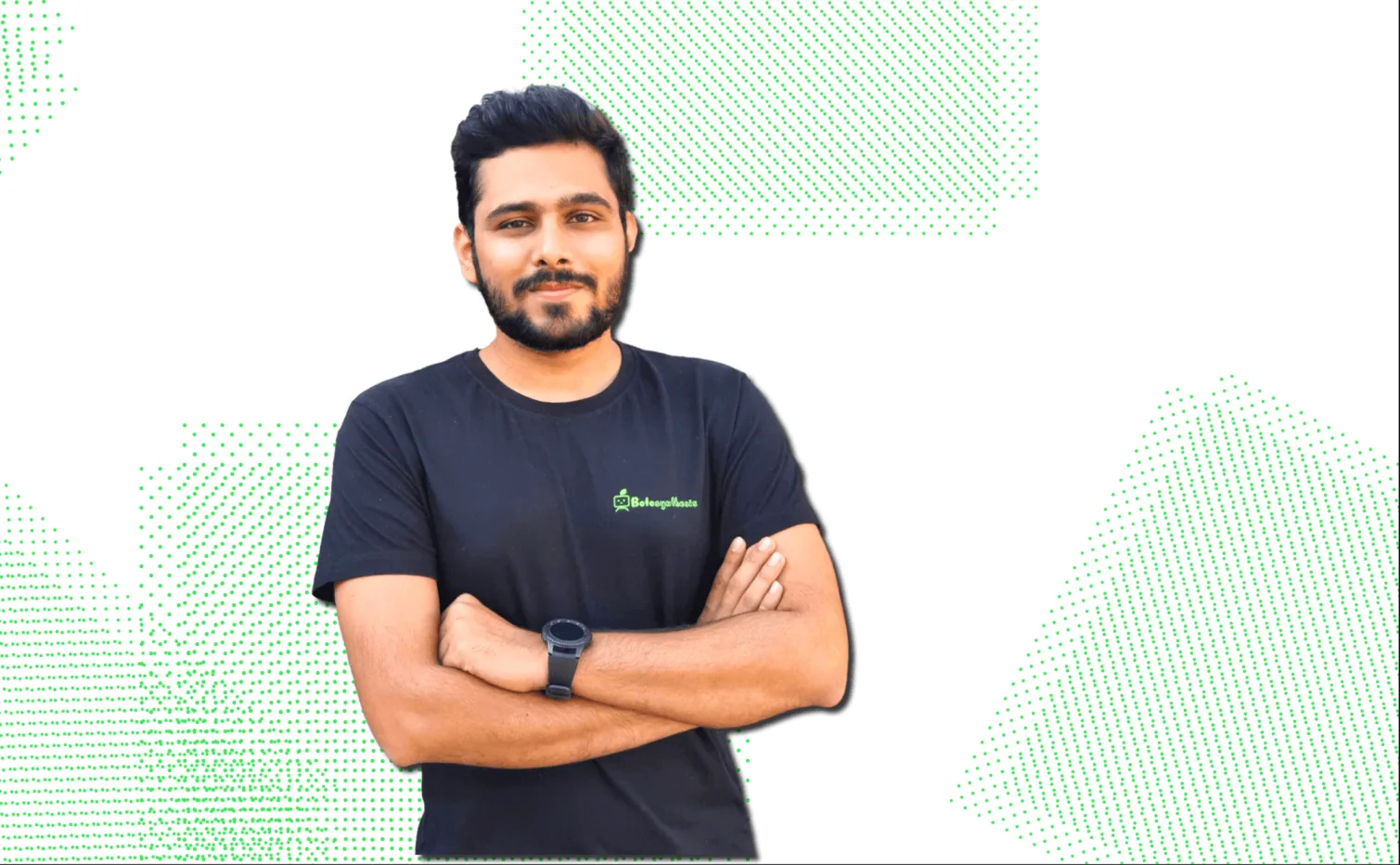
Ritwik Joshi
Impromptu 10 min 0 XP

PREP Under Fire

"Improvisation is not the absence of structure. It is structure so internalized it disappears."

Progress 0%

The Framework

PREP: Your Impromptu Safety Net

Point — State your position clearly.
Reason — Explain why you hold it.
Example — Give a concrete illustration.
Point — Restate, slightly reworded.

Used by Toastmasters worldwide, this framework lets you sound organized even when your brain is scrambling. The key is speed of deployment — not perfection.

Round 1 of 3

Your Random Word

Timer — 2 Minutes

2:00

P — Your Point

R — Your Reason

E — Your Example

P — Restate Your Point

Rate Yourself

How Did You Do?

Clarity of Point

5

Strength of Reason

5

Concreteness of Example

5

Speed of Response

5

What was hardest?

Analysis

Your PREP Score

/ 40

Your PREP Response

Word:

Recommendation

🏅 PREP Complete0 XP
← Back to Resources
Ritwik Joshi - 2x TEDx Speaker & Humanoid Robotics & AI Expert
Framework Architecture & Pedigree

Designed by Ritwik Joshi

2x TEDx Speaker Humanoid Robotics & AI Expert LinkedIn Top Voice in AI

Battle-tested across international TEDx stages, executive technology briefings, and deeptech investor presentations. Created to bridge the gap between hard engineering rigor and emotional audience resonance.

Keynote FAQs & Speaker Insights

Frequently Asked Questions

Q1

What does the PREP framework stand for in public speaking?

PREP stands for Point (direct answer), Reason (underlying rationale), Example (data or case study), and Point (re-stated conviction).

Q2

How does PREP Under Fire assist in investor Q&A?

It eliminates rambling by giving founders a structured mental template to deliver crisp, authoritative responses to unexpected questions.

Deeptech Communication Glossary & Context

As the landscape of generative AI and humanoid robotics evolves, the vocabulary we use to describe these technologies must also adapt. This page serves as a foundational resource for understanding the intricate relationship between human cognition and advanced computational models. Agentic AI, unlike traditional machine learning, requires a paradigm shift in how we approach problem-solving and delegation. It moves beyond simple prompt-response mechanisms into autonomous goal-oriented execution.

Furthermore, when pitching deeptech solutions—whether it involves physical AI, embodied intelligence, or complex silicon architecture—founders must navigate the 'echo chamber effect'. This phenomenon occurs when highly technical teams assume their audience shares their foundational knowledge. Breaking this echo chamber requires narrative scaffolding: the process of building understanding layer by layer, anchoring abstract concepts to familiar, tangible realities.

This approach is not merely about simplification; it is about cognitive resonance. By aligning the technical architecture with human-centered storytelling, we ensure that the true value proposition of the technology is recognized by investors, partners, and the broader public. This methodology forms the core of our keynotes, workshops, and strategic consultations, driving measurable impact across the deeptech ecosystem.

When exploring these themes, it's critical to remember that the most successful deeptech companies are those that master this duality. They possess unparalleled technical rigor, yet communicate with emotional clarity. As we look towards 2026 and beyond, this skill will be the defining differentiator between startups that secure funding and those that fade into obscurity.