Key Takeaways
- In the high-stakes environment of deeptech, conveying complex ideas isn't enough; your message must be remembered long after the lights dim.
- The Key Takeaway: Engineering memory in deeptech communication means intentionally designing your pitch or talk with cognitive principles in mind.
- They focus on data, specs, and market analysis, meticulously detailing their innovation.
In the high-stakes environment of deeptech, conveying complex ideas isn't enough; your message must be remembered long after the lights dim. The challenge isn't merely to inform, but to imprint your vision onto the minds of investors, partners, and future employees.
The Memory Challenge in Deeptech Communication
Deeptech operates at the cutting edge of human knowledge. This inherent complexity often translates into information-dense presentations that, while technically accurate, can overwhelm and quickly fade from an audience's recall. The human brain is adept at filtering; without a deliberate strategy, intricate details of your quantum computing breakthrough or bio-engineered solution can become part of the 'forgetting curve' within hours.
Beyond Information Transfer
Many founders approach a talk as a pure information transfer problem. They focus on data, specs, and market analysis, meticulously detailing their innovation. While critical, this approach often overlooks the psychological mechanics of memory. True communication impact isn't just about what you say, but how effectively your audience processes, encodes, and retrieves that information later. For deeptech, where concepts can be abstract, this cognitive engineering is paramount.
Architecting Recall: Three Pillars of Deeptech Memory
To ensure your deeptech talk isn't a fleeting moment but a lasting impression, we must move beyond simply presenting facts and instead, architect for recall. This involves understanding how the brain forms and retains memories.
Emotion as an Anchor
Rational arguments persuade, but emotional connections cement. When audiences feel something—curiosity, awe, concern, hope—their brains are more engaged, and memories associated with those emotions become stronger and more vivid. Deeptech solutions, by their nature, are often designed to solve grand challenges or unlock new futures. Connect your innovation to a human problem, a societal benefit, or an aspirational vision. This emotional anchor provides a robust retrieval cue.
Novelty and Pattern Interruption
The brain pays attention to what's new or unexpected. Monotony leads to cognitive fatigue. Introduce an unexpected analogy, a surprising statistic, a rhetorical question that makes the audience pause, or a personal anecdote that humanizes the technology. These 'pattern interruptions' act as cognitive refreshers, creating distinct memory markers. For more on creating impactful moments, consider insights into mastering public speaking.
Strategic Repetition and Signposting
While novelty captures attention, strategic repetition reinforces. This doesn't mean repeating the same sentence verbatim. It means circling back to core themes, rephrasing key takeaways, and using clear 'signposts' that guide your audience. Phrases like "Remember this point..." or "The three critical elements are..." explicitly tell the brain what to prioritize for long-term storage.
Building Your Cognitive Blueprint: Practical Steps
Translating these pillars into practice for your next deeptech pitch or talk:
- Use Vivid Analogies: Complex deeptech concepts often lack real-world parallels. Create compelling, relatable analogies that bridge the gap between the known and the unknown. This creates a memorable mental shortcut.
- The "Micro-Story" Technique: Instead of a long narrative, weave in short, punchy, problem-solution-impact micro-stories throughout your talk. Each acts as a mini-anchor for a specific technical point. For guidance on crafting these, explore the Speaking Hub.
- Visual Cues & Minimalist Slides: Your visuals should complement, not repeat, your verbal message. Use powerful images, simple diagrams, and minimal text to reinforce key concepts. Visuals are powerful memory aids, especially when they evoke emotion or highlight novelty.
- Call-to-Action & Future Vision: Conclude not just with what your tech does, but what future it unlocks. A clear, inspiring call to action provides a purpose for remembering, giving the audience a reason to carry your message forward.
- Engage with the Audience: Incorporate elements that invite audience participation or reflection. A rhetorical question or a brief moment of silence allows your message to sink in, fostering deeper cognitive processing.
From Ephemeral Talk to Lasting Legacy
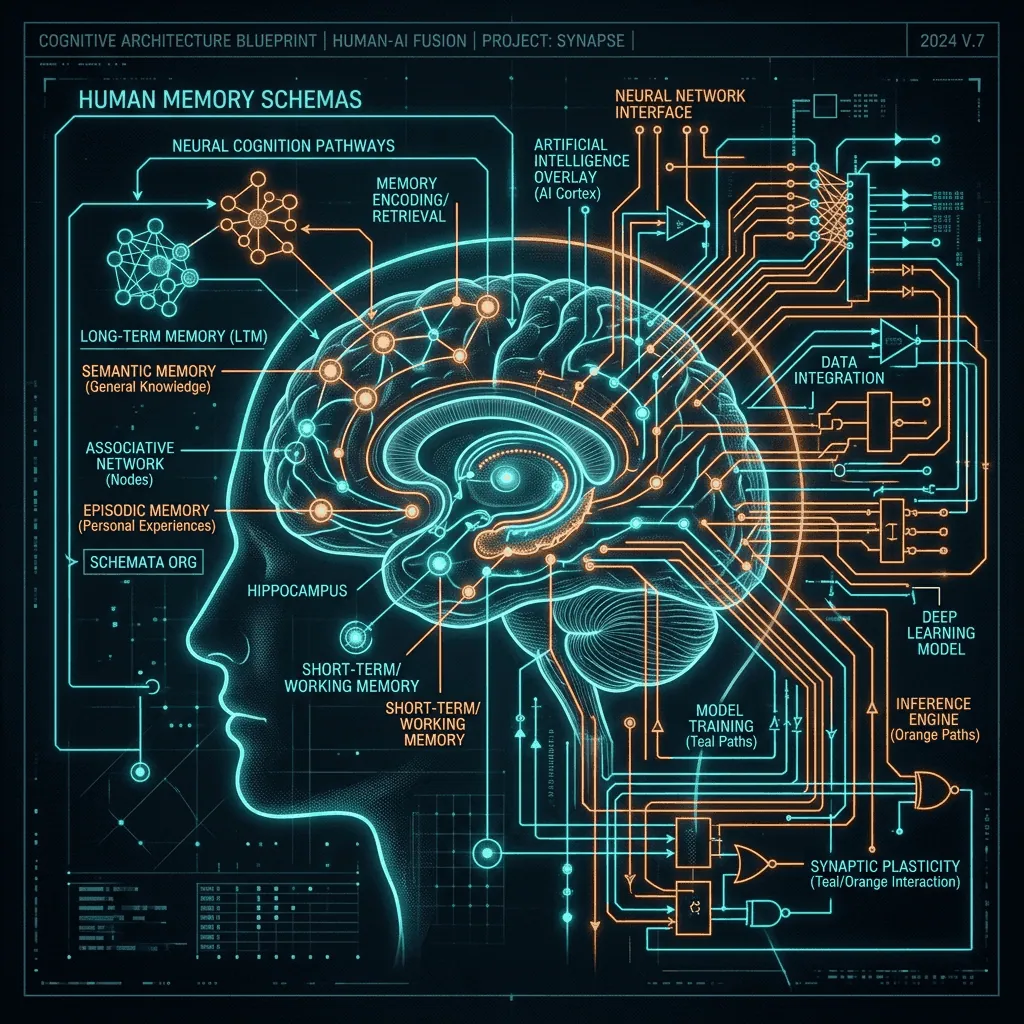
Engineering memory is an intentional act. It requires understanding your audience's cognitive architecture and designing your communication to align with how brains best learn and retain information. For deeptech founders, this is not a soft skill; it is a critical strategic imperative. Your groundbreaking innovation deserves to be remembered, discussed, and ultimately, funded.
If you're ready to transform your deeptech narrative from forgettable to unforgettable, connect with me to discuss how we can build your cognitive blueprint. Visit the contact page to start the conversation.