Key Takeaways
- This isn't mystical; it's a composite of their focus, fatigue, excitement, skepticism, and openness.
- Mastering this dynamic interplay is how you transform a presentation into a profound experience, an echo chamber where your message resonates and amplifies.
- Explore building a rehearsing resonance strategy to refine this.
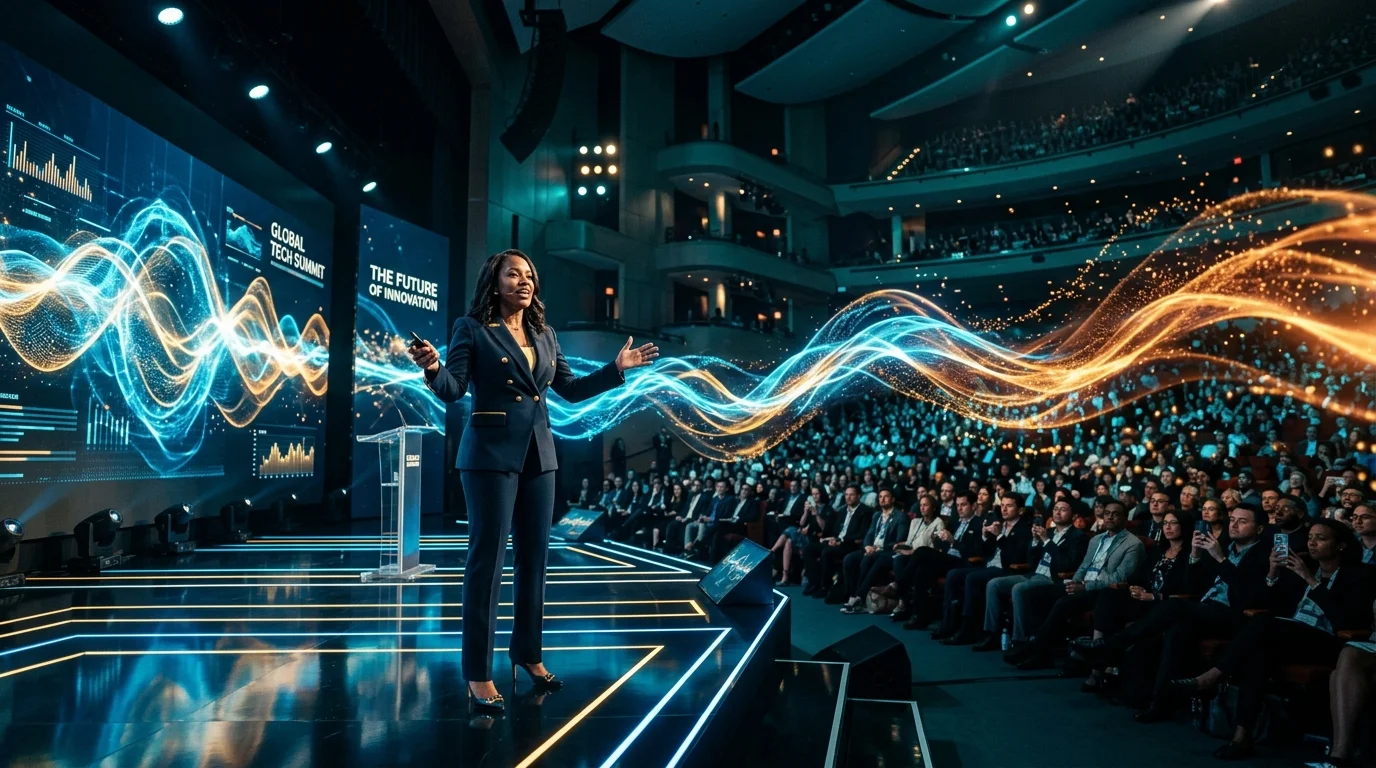
In the dynamic theater of public speaking, true mastery extends beyond rehearsed lines and well-crafted slides. It encompasses a profound ability to sense, interpret, and adapt to the subtle, often invisible, energetic pulse of an audience in real-time. This skill, which I call energetic calibration, is indispensable for tech founders seeking to connect, persuade, and lead.
The Unseen Current: Decoding Audience Energy
Every audience, whether a room of potential investors, a TEDx crowd, or a panel of industry peers, generates a collective energy field. This isn't mystical; it's a composite of their focus, fatigue, excitement, skepticism, and openness. It manifests not just in obvious cues like applause or questions, but in subtle shifts:
- The Collective Gaze: Where eyes drift, how long they hold your attention, or if they glaze over.
- Subtle Body Language: Beyond individual postures, notice the collective lean-in, the shared restlessness, or the synchronized stillness.
- Auditory Feedback: The ambient hum, the level of murmuring, the quickness of laughter, or a palpable silence that can signify either deep thought or disengagement.
- Emotional Temperature: Is there genuine curiosity, polite indifference, or active resistance in the air?
Failing to calibrate means delivering a pre-programmed talk into a vacuum, missing opportunities to deepen connection or address unspoken concerns. For deeptech pitches, where complexity often creates a cognitive barrier, this real-time adaptation is not a luxury—it's a necessity for clarity and conviction.
Why Calibration Is Paramount for Tech Founders
Tech founders operate at the bleeding edge, often presenting concepts that defy easy understanding or challenge existing paradigms. Their pitches are not just about data; they are about vision, conviction, and future potential. Without energetic calibration:
- Lost Investor Attention: A room of VCs, constantly evaluating, will disengage if the speaker fails to meet their energy or address their evolving interest.
- Misinterpreted Complexity: If the audience feels overwhelmed, a calibrated speaker will instinctively slow down, simplify, or pivot to an analogy. An uncalibrated speaker will continue at pace, losing the room.
- Diminished Credibility: A speaker who appears oblivious to their audience's state comes across as detached, undermining the authenticity that is a founder's superpower.
Mastering this dynamic interplay is how you transform a presentation into a profound experience, an echo chamber where your message resonates and amplifies.
Ritwik's Framework for Dynamic Energetic Calibration
Developing this intuition requires conscious practice and a structured approach:
1. Pre-emptive Resonance: Anticipate & Prepare
Before stepping on stage, consider the likely emotional and intellectual state of your audience. Are they fatigued from a long day? Excited by a recent announcement? Skeptical of new claims? Prepare not just your content, but a range of delivery styles and backup anecdotes. This pre-analysis allows for a flexible blueprint, not a rigid script. Explore building a rehearsing resonance strategy to refine this.
2. Real-time Sensing: Beyond Visual Cues
While visual observation is key, true sensing involves a holistic awareness. Feel the atmosphere. Listen to the collective breath. Are people leaning forward? Are they checking their phones? Are they fidgeting? Develop your peripheral awareness and allow your entire being to absorb the room's signals.
3. Adaptive Modulation: The Dynamic Pivot
This is where calibration translates into action. Based on your sensing:
- Adjust Pace: Speed up if energy is high; slow down if confusion or fatigue sets in.
- Vary Depth: Dive deeper into technicalities if curiosity is piqued, or broaden the scope if the audience needs a higher-level overview.
- Shift Emotional Tenor: Inject humor, gravitas, or urgency as needed.
- Utilize Strategic Silence: A well-placed pause can allow the audience to catch up, process, or re-engage, as detailed in my thoughts on strategic silence.
- Incorporate Audience Response: Address questions implicitly, even if not explicitly asked. Acknowledge a collective nod with a reinforcing statement.
4. Reciprocal Energy Exchange: Giving & Receiving
Your own energy is a powerful lever. If you project confidence, enthusiasm, and genuine presence, it elevates the room. If you are anxious or detached, it can dampen their receptivity. Understand that your energy is contagious, and the audience's response will, in turn, influence yours. It's a feedback loop, not a one-way transmission.
Sustaining Impact Through Calibration
Energetic calibration is not a one-time adjustment but a continuous process throughout your talk. It is the invisible art that distinguishes a good speaker from an unforgettable one. It's how you move from merely delivering information to truly creating an experience.
For tech founders, this ability to intuitively connect at a deeper level transforms pitches into partnerships, ideas into investments, and visions into reality. It is a cornerstone of impactful communication, driving not just understanding, but belief and action. To learn more about honing your unique speaking style and presence, visit our Speaking Hub or contact Ritwik directly.
Explore Related Posts
Ritwik Joshi
Public Speaker with a Purpose