Ritwik Joshi
IEEE IACC • Bennett University Keynote 2018 • Bennett Univ

Embodied AI & Real-World Perception

Technical conference keynote at IEEE IACC dissecting the boundary between digital models, kinematics, actuator latencies, and sensor feedback.

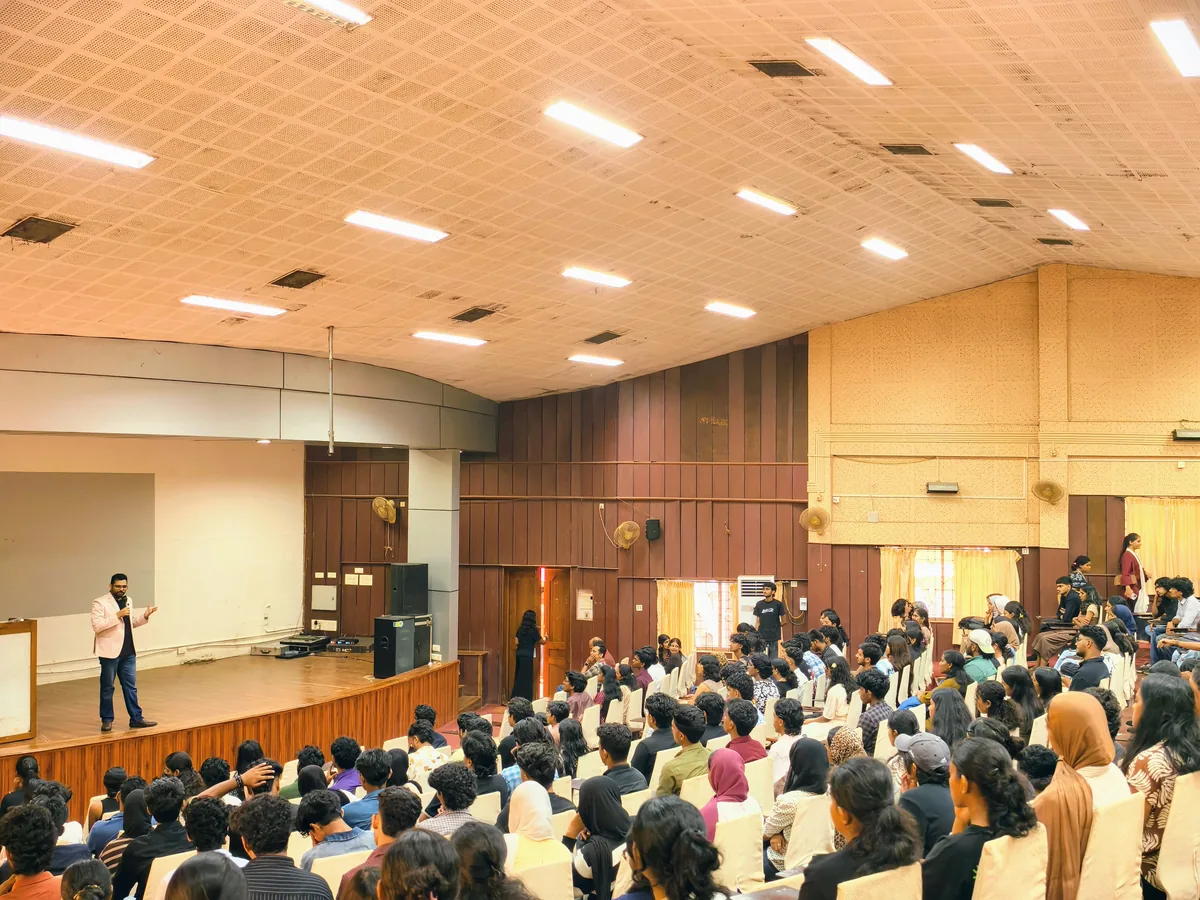
Ritwik Joshi presenting Embodied AI at IEEE IACC Bennett University

Organizer / Host

IEEE International Advance Computing Conference (IACC)

Location & Venue

Bennett University, Greater Noida

Timeline & Format

2018 • Bennett Univ • Keynote

Audience Cohort

150+ Researchers

Executive Session Brief

At the 2018 IEEE International Advance Computing Conference (IACC) hosted at Bennett University in Greater Noida, Ritwik Joshi delivered a technical keynote on 'Embodied AI & Real-World Perception' before 150+ researchers and engineers. He examined edge kinematics, actuator latency constraints, and closed-loop sensor feedback.

Session Context & Core Thesis

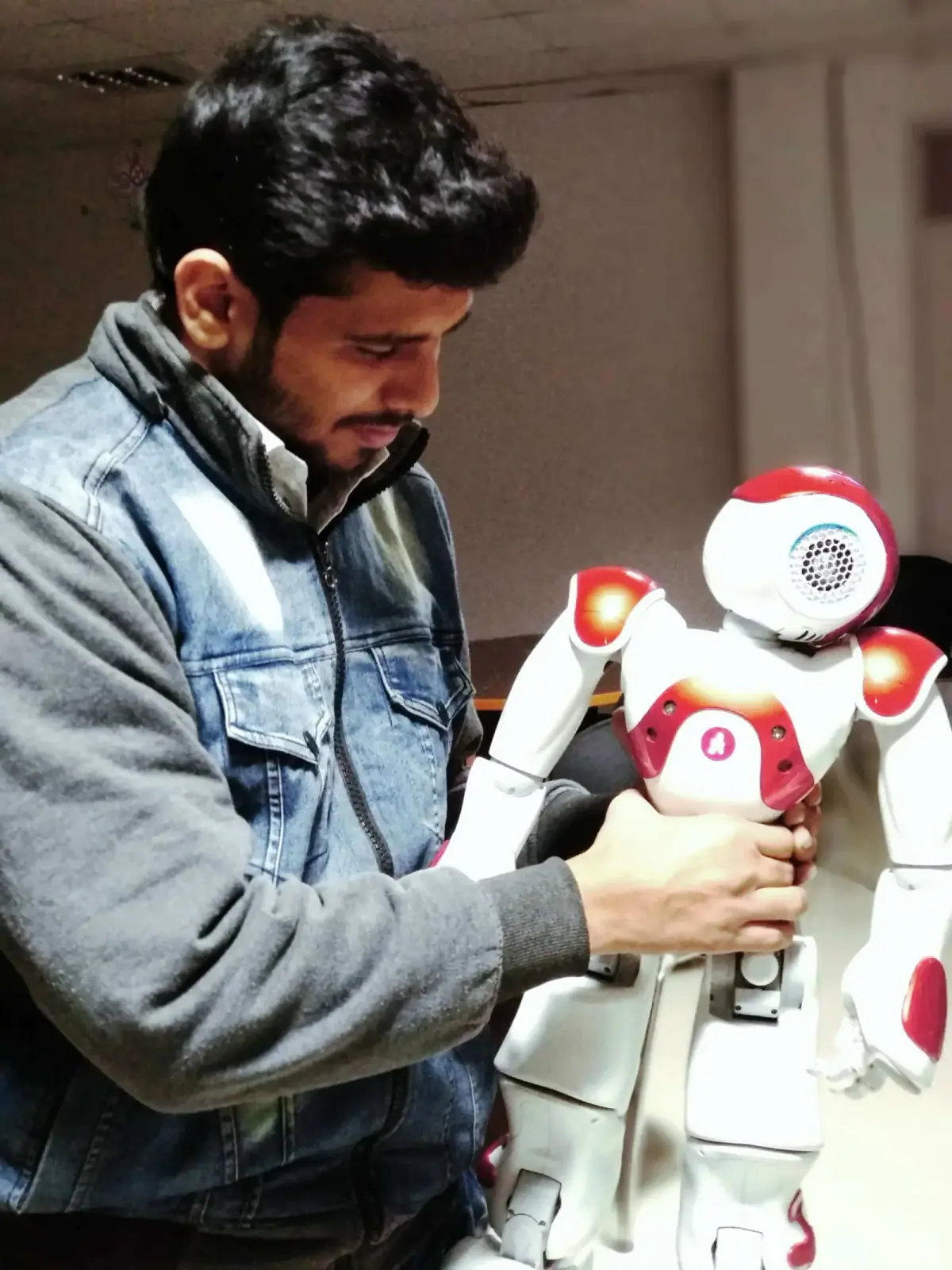
Years before 'Physical AI' became an industry catchphrase, IEEE IACC researchers convened at Bennett University to tackle hard computing problems outside clean datasets. Ritwik's technical session explored why perception models thriving on static test images routinely stall when bolted onto moving actuators.

Operating in the physical world transforms latency and noise into core mathematical limits. The talk analyzed closed-loop feedback delays between camera streams, edge inference pipelines, and mechanical torque corrections on real robotic joints.

This early academic-industry exchange underscored a principle central to Ritwik's work today with Robosa: intelligence earns value in physical environments only when hardware tolerances and software control loops co-evolve.
Key Takeaways Delivered

01 • Core Principle

Models Must Survive Messy Sensors

Motion blur, variable room lighting, and calibration drift punish perception models tuned only on curated benchmarks.

02 • Core Principle

Close Control Loops at the Edge

Balance and collision recovery cannot wait on cloud round-trips; local edge processing remains mandatory.

03 • Core Principle

Measure Mechanical Latency End to End

Total reaction time from photon capture to motor torque determines whether real hardware operates safely near humans.

04 • Core Principle

Co-Design Hardware and Software Early

Separating mechanical engineers from ML teams guarantees integration delays on real embodied systems.

Topics & Frameworks Covered

Embodied AI Real-World Sensor Perception Edge Kinematics & Actuators Robotics Latency Budgets IEEE Technical Research

Frequently Asked Questions

What conference hosted Ritwik Joshi's Embodied AI keynote in 2018?

The IEEE International Advance Computing Conference (IACC) at Bennett University in Greater Noida hosted Ritwik Joshi's technical keynote before 150+ researchers and engineers.

What technical problems were examined in 'Embodied AI & Real-World Perception'?

The session focused on edge kinematics, actuator response latencies, noisy real-world sensor streams, and closing the gap between software intelligence and physical machines.

Does Ritwik speak at IEEE symposiums and AI research conferences?

Yes. Ritwik delivers research-grounded technical keynotes for IEEE chapters, engineering symposia, and R&D summits across India and globally.

Related Deep-Dive Guides on This Topic

IEEE Conferences & R&D Symposia

Bring Embodied AI & Robotics Research Talks to Your Conference

Invite practical engineering depth on edge autonomy, kinematics, and Physical AI systems to your academic or IEEE stage.

More Speaking Appearances

View All 18 Events →